
Bed bugs present a greater homeowner challenge than dust mites because they are hematophagous, mobile, and conceal themselves in structural voids and furniture seams, enabling rapid local spread and passive transport on belongings pest control for rats. They produce discrete, itchy bite lesions and provoke intense insomnia and psychological distress. Detection is difficult; common consumer insecticides and surface treatments often fail due to cryptic refugia and resistance. Professional integrated control is frequently required. Continued information outlines detection, control options, and prevention.

Understanding the Biology and Life Cycle of Bed Bugs Vs Dust Mites
In comparing bed bugs and dust mites, the two taxa exhibit distinct morphological and reproductive strategies that determine population dynamics and infestation patterns. The hematophagous Cimicidae displays a flattened exoskeleton, discrete developmental stages (egg, five nymphal instars, adult) https://igreenasia.com/, and behaviors centered on nocturnal feeding, producing punctate blood meals that enable rapid reproductive cycles under ideal hosts. In contrast, acarid Dermatophagoides are microscopic, oviparous, and progress through egg, larva, protonymph, tritonymph, and adult stages while consuming detrital organic matter. Thermal tolerance differs: bed bugs tolerate broader short-term thermal extremes facilitating survival during host absence; dust mites require stable, humid, moderate temperatures for maximal fecundity. These differences yield divergent control imperatives and invite technological interventions targeting lifecycle vulnerabilities and environmental parameter modulation.
Where Each Pest Hides and How They Spread in Homes
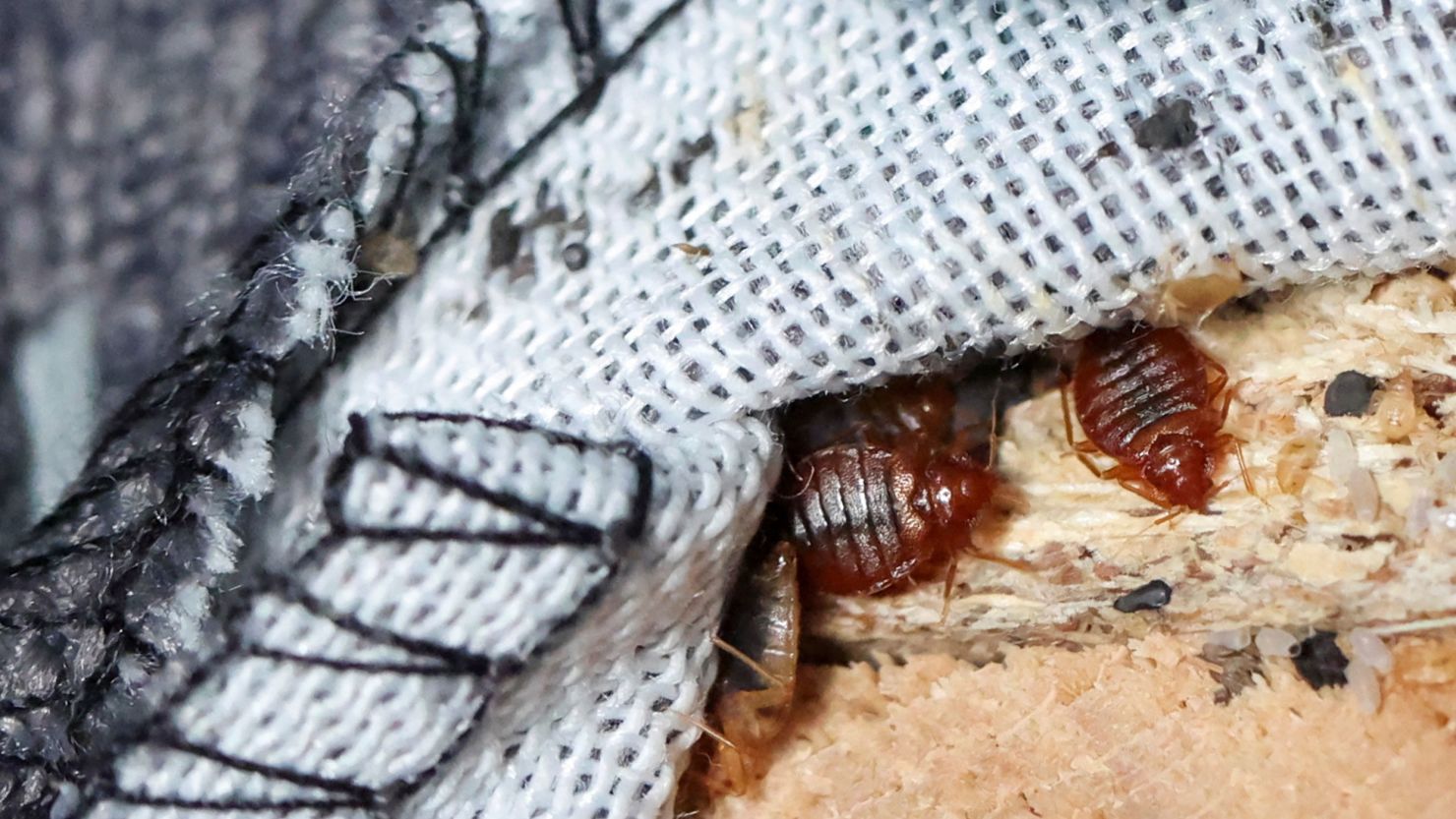
Bed bugs are typically located in mattress seams, bed frames, headboards, and adjacent furniture, while dust mites occupy mattresses, upholstered furniture, carpets, and soft textiles where human skin flakes accumulate. Bed bugs spread primarily by active movement between close-proximity harborages and passive transport on luggage, clothing, and used furniture; dust mites disperse more locally through transfer of infested textiles and gradual colonization facilitated by humidity and available organic debris. Distinguishing these concealment patterns and transmission routes is essential for targeted inspection and control strategies.
Typical Hiding Places
Both pests exploit microhabitats within human dwellings, but their preferred refuges and dispersal mechanisms differ markedly: bed bugs concentrate in tight, dark crevices near sleeping areas—mattress seams, bed frames, headboards, and adjacent furniture—emerging at night to feed and hitchhiking on clothing or luggage to spread, while dust mites inhabit textiles and porous surfaces with sustained humidity—bedding, upholstered furniture, carpets, and curtains—where they feed on skin flakes and disperse passively as textile fragments and through air currents. Typical hiding places for bed bugs include mattress seams, box springs, baseboard gaps, electrical outlets, and the voids of picture frames; inspections target seams and structural voids. Dust mites aggregate within fiber assemblies, inside pillows, beneath heavy rugs, and in HVAC filters where moisture and organic matter persist.
How They Spread
Having outlined typical refuges, attention shifts to the mechanisms by which each species moves within and between residences. The insect’s ambulatory and hitchhiking behaviors contrast with the mite’s passive dispersal; bed bugs exploit fabrics and human movement, mites rely on aerosolization of skin detritus and stable microclimates. Observations highlight vectors:
- Bed bugs: travel via used furniture, luggage, clothing, and transient hosts on public transportation.
- Dust mites: spread locally by air currents, HVAC systems, and transfer of contaminated textiles.
- Secondary vectors: renovation materials, communal laundry facilities, and inefficient containment protocols.
Implications for innovation include targeted interception at transit nodes, improved fabric sensors, and adaptive sealing strategies to disrupt species-specific pathways efficiently.
Health Effects: Bites, Allergies, and Psychological Impact
Bed bug feeding produces discrete, often linear erythematous lesions attributable to salivary proteins, whereas dust mite exposure primarily triggers periorbital and nasal allergic inflammation mediated by inhalant allergens. Both agents can precipitate disturbed sleep: nocturnal pruritus and vigilance from bed bug infestations; allergic rhinitis and nocturnal coughing from mite sensitization. The cumulative effect includes increased anxiety, hypervigilance, and measurable sleep disruption with downstream effects on daytime functioning.
Bites and Skin Reactions
Several distinct dermatologic responses can arise from arthropod exposure in domestic environments, with bed bug bites typically producing localized, linear or clustered erythematous papules and dust mite exposure primarily provoking allergic dermatitis rather than discrete bite lesions. Observations emphasize pathophysiology, immune response variability, and conservative wound care protocols. Comparative focal points:
- Bed bug lesions: punctate hemorrhagic centers, pruritus intensity, secondary excoriation risk.
- Dust mite reactions: eczematous flares, IgE-mediated pathways, chronicity in atopic individuals.
- Management priorities: targeted topical corticosteroids, antihistamines, infection prevention, and system-level monitoring.
This technical appraisal underscores diagnostic distinctions and pragmatic interventions, informing novel mitigation strategies for homeowners and product innovators seeking to reduce cutaneous morbidity and optimize evidence-based remediation.
Anxiety and Sleep Disruption
In the home environment, exposure to hematophagous insects and ubiquitous aeroallergens can produce measurable disruptions in sleep architecture and elevated anxiety symptoms, mediated by both physiological and cognitive mechanisms. Observational data indicate that bed bug infestations correlate with increased sleep latency, fragmented REM cycles, and elevated sympathetic activation, whereas dust mite allergen exposure more commonly triggers nocturnal respiratory disturbance without the same anticipatory hypervigilance. The presence of visible bites and knowledge of nocturnal feeding potentiates sleep anxiety, leading to conditioned arousal and maladaptive sleep hygiene. In severe cases, occupants report exacerbated parasomnias, including night terrors linked to heightened arousal thresholds and stress hormones. Mitigation requires integrated pest management paired with cognitive-behavioral interventions to restore normative sleep patterns and reduce anxiety-related morbidity.
Detection Challenges and Signs of Infestation
During early morning inspections, distinguishing signs of infestation requires attention to discrete physical and environmental indicators rather than subjective impressions. Visual evidence, odour cues, and resident reports combine into a systematic assessment model emphasizing early detection, including deployment of scent dogs where available and inspection of mattress encasements. Indicators include:
During early morning inspections, focus on discrete visual, odour, and resident cues for systematic early detection.
- Concentrated dark fecal spots, shed exuviae, and eggs along mattress seams and bedframes.
- Linear or clustered bite pattern analysis reports correlated with nocturnal activity logs and lighting conditions.
- Live adults or nymphs in cracks, electrical outlets, and furniture joints revealed by structured probe-and-flash techniques.
Accurate documentation, photographic records, and spatial mapping enable iterative detection improvement. Innovation-focused operators integrate sensor tools and algorithmic heat maps for targeted follow-up inspections.
Why Over-the-Counter Treatments Often Fail for Bed Bugs
Over-the-counter (OTC) products routinely underperform against Cimex lectularius because their active ingredients, concentrations, and application methods do not align with the pest’s biology and hiding behavior. Empirical observation shows many OTC formulations use pyrethroids or botanicals at sublethal doses, facilitating selection for resistance mechanisms—metabolic detoxification, target-site mutations, and behavioral avoidance. In addition, limited residual activity and inability to penetrate refugia render contact-dependent compounds ineffective. Product misapplication compounds failure: incomplete treatment of seams, joints, electrical voids, and luggage pathways leaves survivors to repopulate. Innovative control requires formulation science, delivery systems that access cryptic harborage, and diagnostics for resistance phenotypes. Until such advances are standard, OTC treatments remain tactical, not strategic, solutions against entrenched bed bug populations.
When Professional Extermination Is Necessary and What It Entails
When repeated applications of consumer-grade products fail to suppress an infestation or when pyrethroid-resistant phenotypes are suspected, professional extermination becomes the practical option. The certified operator deploys integrated monitoring and targeted treatment protocols, balancing chemical, thermal, and mechanical modalities. Documentation addresses Legal obligations, tenant notifications, and safety data sheets.
- Assessment: systematic inspection, canine or interceptor-aided detection, and resistance profiling.
- Treatment design: calibrated heat mapping, selective insecticide application, and physical isolation strategies.
- Verification: post-treatment monitoring, follow-up interventions, and efficacy reporting.
The narrative emphasizes measurable outcomes, innovation in detection technology, and compliance-driven workflows. Costs, timelines, and escalation criteria are quantified so stakeholders can evaluate return on intervention and minimize recurrence risk.
Preventive Measures for Homeowners and Renters
Routinely, homeowners and renters should adopt a layered prevention plan that reduces attraction, entry, and establishment of bed bugs and dust mites through targeted sanitation, exclusion, and environmental controls. The protocol emphasizes regular laundering at high temperature, encasements for mattresses, vacuuming with HEPA-equipped units, and humidity modulation to deter mite proliferation. Exclusion involves sealing structural gaps, installing door sweeps, and using monitored interceptors on bed frames. Innovative monitoring integrates passive detection devices and scheduled seasonal inspections to detect incursions early. Clear tenant responsibilities delineate inspection cadence, reporting procedures, and maintenance obligations within leases to enable rapid response and data-driven mitigation. This systematic, technical approach minimizes colonization risk while enabling scalable, tech-enabled adaptation in multiunit properties.
Financial and Social Consequences of a Bed Bug Infestation
An infestation shifts costs and social dynamics across households and buildings, producing direct expenditures for inspection, treatment, replacement of furniture and textiles, and often repeated service calls, while indirect costs include lost workdays, diminished property values, and higher turnover in rental units. The economic footprint is measurable: remediation budgets, transient lodging, and depreciation of units reduce liquidity and complicate asset management. Socially, incidents create concentrated neighbor stigma that affects cooperation and reporting, undermining community-based mitigation. Technological and process innovations can streamline response, but require investment and coordination.
- Quantified losses: treatment + replacement + devaluation.
- Operational impact: tenant turnover, inspection logistics, lost productivity.
- Social externalities: neighbor stigma, reporting reluctance, insurance implications.
Conclusion
Bed bug infestations present markedly greater challenges than dust mite presence due to bed bugs’ mobile, blood-feeding behavior, cryptic harborages, and resistance to common insecticides. Their life cycle, dispersal mechanisms, and capacity to provoke bites, secondary infections, and significant psychological and financial burdens complicate detection and remediation. Effective control frequently necessitates integrated professional interventions—inspection, targeted insecticidal application, heat treatment, and vigilant follow-up—whereas dust mite mitigation relies largely on environmental controls and allergen reduction.