
As corporate real estate projects increasingly embrace innovative technologies, smart glass stands out as a compelling addition smart glass. This transformative material not only revolutionizes aesthetics but also enhances energy efficiency and overall workplace functionality.
This article provides a comprehensive analysis of smart glass integration in corporate real estate, exploring its benefits, cost implications, successful case studies, and future prospects in a rapidly evolving property landscape.
Discover how smart glass can redefine your corporate environment.
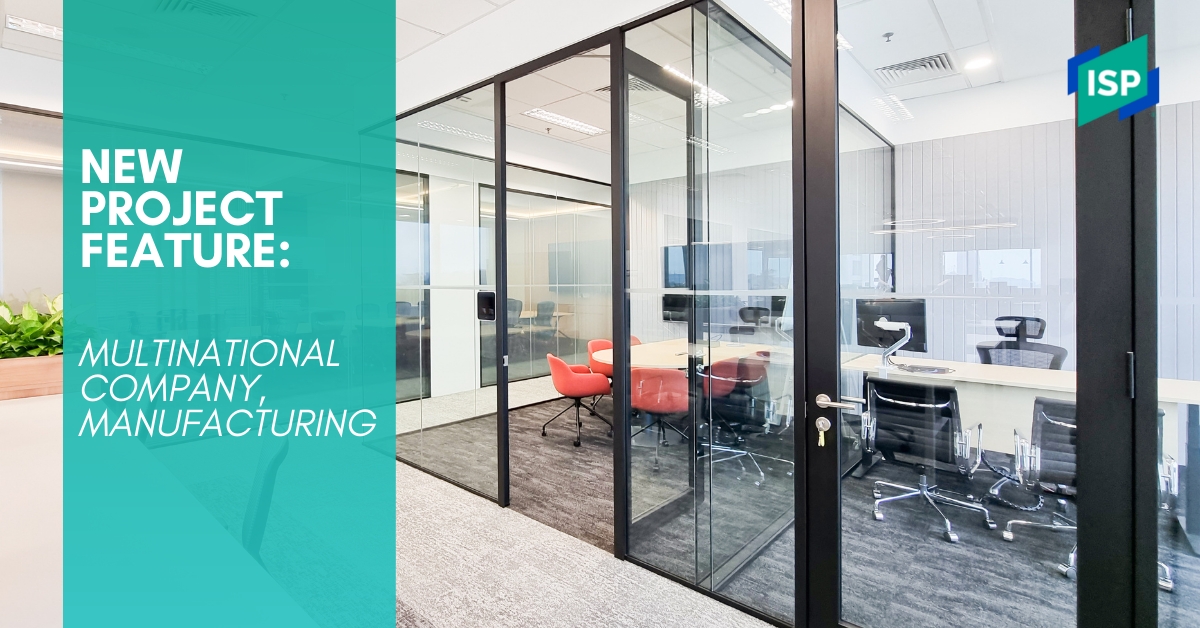
Understanding Smart Glass Technology
Before delving into the application of smart glass in corporate real estate projects, it is crucial to comprehend what smart glass technology entails and how it operates. Smart glass, also known as switchable glass Chiefway smart glass, is an innovative technology that changes its light transmission properties when voltage, light, or heat is applied. Essentially, it allows for the control of the amount of light and heat that passes through it, providing a new level of flexibility and freedom to architectural design.
Smart glass operates through the application of an electric current to a thin layer of an electrochromic material within the glass. This current triggers a reversible chemical reaction, altering the light transmission properties of the glass. Users can precisely adjust the level of transparency, granting them the freedom to regulate light and temperature at their discretion, and thereby optimizing energy efficiency.
In essence, smart glass technology is more than just an aesthetic feature; it’s an intelligent solution that offers opportunities for energy conservation, privacy control, and innovative design in corporate real estate projects. It is an embodiment of the intersection of technology and architecture, enhancing the built environment while prioritizing user needs and desires.
Benefits of Smart Glass in Offices
With its advanced light control capabilities, smart glass offers numerous benefits in office settings, driving increased energy efficiency, privacy, and design flexibility. This innovative technology allows for the strategic regulation of sunlight, reducing the reliance on artificial lighting and thereby contributing to substantial energy savings.
Moreover, smart glass provides a modern solution to privacy concerns without compromising natural light. With a simple switch, panels can transition from transparent to opaque, creating private spaces when needed. This feature mitigates the need for blinds or curtains, resulting in cleaner, uncluttered spaces.
In terms of design, smart glass provides architects with greater flexibility. Given its dynamic nature, it can be seamlessly integrated into various aesthetic concepts, fostering an environment of creativity and innovation. It also contributes to the wellness of employees by allowing access to natural light, proven to enhance productivity and wellbeing.
Cost and Installation of Smart Glass
Implementing smart glass in corporate real estate projects requires careful consideration of costs and detailed planning for the installation process. The initial expenditure for smart glass can exceed that of traditional glass due to its embedded technology, however, it’s crucial to consider the long-term savings. Reduced energy bills, fewer HVAC requirements, and the potential to downsize lighting and heating systems can offset the upfront cost over time.
The installation process of smart glass is relatively similar to regular glass but requires specialized personnel due to its technology. This factor may add to the overall cost. However, the expense can be justified by the fact that smart glass installation is a one-time process, unlike other systems which require periodic maintenance and updates.
Moreover, installation can be tailored to specific needs, allowing for the maximum utilization of space and light, thereby creating an innovative and flexible working environment. This flexibility can lead to better productivity, further justifying the investment.
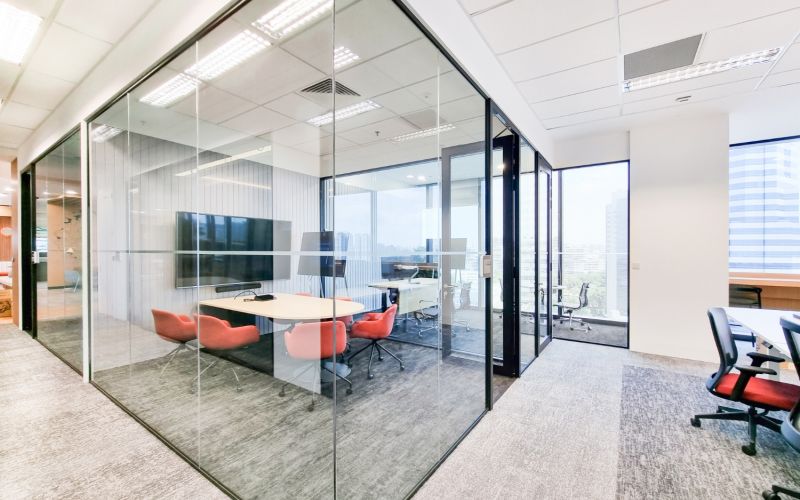
Case Studies: Smart Glass in Action
Let’s delve into some intriguing case studies that demonstrate the effective application of smart glass in corporate real estate projects.
The first case is the headquarters of a tech giant in Silicon Valley. The building’s façade is clad entirely in smart glass, enabling it to adjust its tint in response to varying sunlight and heat conditions. This dynamic façade has resulted in significant energy savings and a substantial reduction in the building’s carbon footprint.
Next, we have a multinational banking corporation based in New York. They integrated smart glass into their office partitions, creating a flexible workspace that easily transitions from open-plan to private offices, depending on the needs of the employees. This not only boosted employee satisfaction and productivity but also reduced the need for costly and disruptive office reconfigurations.
Lastly, a global advertising firm in London incorporated smart glass into their boardrooms. By doing so, they were able to switch their glass walls from transparent to opaque at the touch of a button, providing instant privacy for confidential meetings.
These examples illustrate the transformative potential of smart glass in corporate real estate, offering innovative solutions that cater to evolving workplace needs.
The Future of Smart Glass in Real Estate
The burgeoning advancements in smart glass technology promise an exciting future for its application in the real estate sector. With each passing day, smart glass is becoming less of a novelty and more of a standard expectation, particularly in corporate real estate projects.
The future of smart glass in real estate is likely to revolve around sustainability and energy efficiency. With increasing awareness about climate change and the necessity of green building practices, smart glass presents a solution that not only enhances aesthetic appeal but also contributes to energy savings.
Furthermore, predictive analysis and integration with other smart technologies are expected to transform the functionality of smart glass. In the near future, we could see smart glass windows that adjust their opacity based on weather forecasts, time of day, or even occupants’ schedules, all controlled via a central building management system.
Conclusion
In conclusion, smart glass technology is revolutionizing corporate real estate projects. Its potential to provide energy efficiency, privacy, and aesthetic appeal contributes to an optimized office environment. Despite initial costs, the long-term benefits validate its investment.
With successful case studies and continuous technological innovation, smart glass is set to redefine the future of office spaces, marking a significant shift in the real estate sector.