
In times of pet emergencies, swift action and informed decisions can be crucial in ensuring the well-being of our beloved companions Starlight veterinary medical centre. Recognizing the signs and knowing when to rush your pet to a pet hospital are vital components of responsible pet ownership.
This article aims to provide guidance on identifying common pet emergencies, immediate actions to take, and the proper procedures for transporting your pet to a pet hospital.

Recognizing Emergency Signs
Recognizing emergency signs in pets is crucial for prompt and effective medical intervention. Owners must stay vigilant for symptoms such as difficulty breathing, persistent vomiting or diarrhea, seizures, sudden weakness, bloated abdomen, and significant changes in behavior.
Any of these signs could indicate a serious underlying health issue requiring immediate attention from a veterinarian. It’s important not to dismiss unusual behaviors or physical abnormalities, as early detection can make a significant difference in the outcome for the pet.
Common Pet Emergencies
To ensure timely treatment and care for your pet, understanding common pet emergencies is essential. Some prevalent pet emergencies include ingestion of toxic substances, such as chocolate, medications, or household cleaners.
Trauma, such as being hit by a car or falling from a height, can lead to severe injuries requiring immediate attention.
Breathing difficulties, indicated by choking, coughing, or struggling to breathe, are critical emergencies that require prompt intervention. Seizures, characterized by uncontrolled shaking or convulsions, should be addressed urgently.
Additionally, signs of heatstroke, like excessive panting, drooling, and weakness, necessitate immediate veterinary care. Any sudden changes in behavior, prolonged vomiting or diarrhea, and difficulty urinating are also red flags that warrant a visit to the pet hospital.
Familiarizing yourself with these common pet emergencies can help you act swiftly and decisively when your pet’s health is at stake.
Immediate Actions to Take
After recognizing common pet emergencies, it is crucial to know the immediate actions to take to ensure your pet receives timely care and treatment. If your pet is experiencing severe symptoms such as difficulty breathing, unconsciousness, seizures, or significant bleeding, it is imperative to seek emergency veterinary care immediately. Contact your nearest pet hospital or emergency clinic for guidance on how to transport your pet safely.
While en route, try to keep your pet calm and warm, and avoid giving any medications without veterinary advice. Remember to provide the medical history and details of the situation once you arrive at the facility. Acting swiftly and efficiently can make a significant difference in your pet’s prognosis and outcome.
Transportation to the Hospital
When your pet requires emergency veterinary care, ensuring safe and prompt transportation to the pet hospital is crucial for their well-being.
If possible, have someone assist you in getting your pet to the hospital, especially if they are in critical condition.
Use a pet carrier or blanket to transport them, keeping them as stable and comfortable as possible during the journey.
Avoid sudden movements or loud noises that could further stress your pet.
In cases where your pet is too large to move easily, contact the hospital for guidance on safely transporting them.
Pet Hospital Procedures
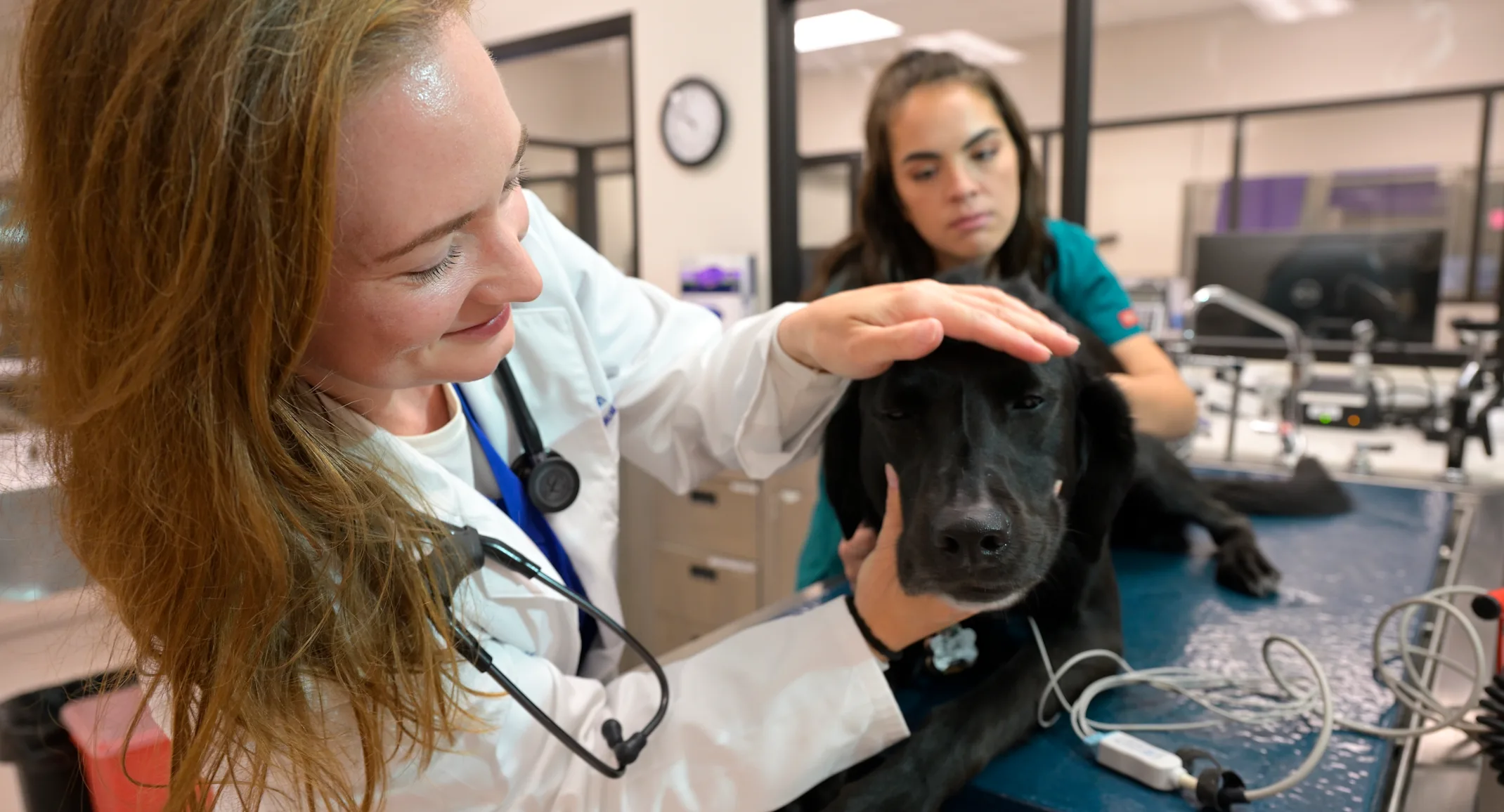
Upon arrival at the pet hospital, a trained veterinary team will promptly assess your pet’s condition and initiate necessary procedures for immediate care. These procedures may include diagnostic tests such as blood work, x-rays, or ultrasounds to identify the underlying issue.
Depending on the severity of the situation, your pet may require emergency surgery, oxygen therapy, or intravenous fluids to stabilize their condition. Pain management and wound care are also common procedures provided at pet hospitals.
Throughout the treatment process, the veterinary team will communicate with you about the procedures being performed and the progress of your pet’s recovery. Rest assured that pet hospitals are equipped to handle a wide range of medical emergencies and are dedicated to providing the best care for your furry companion.
Conclusion
In conclusion, recognizing emergency signs in pets is crucial for prompt treatment at a pet hospital. Common pet emergencies such as difficulty breathing or severe bleeding require immediate action to stabilize the pet’s condition.
Transporting the pet safely to the hospital is essential for further evaluation and treatment. Understanding pet hospital procedures can help pet owners be prepared for emergency situations and ensure the best possible care for their beloved animals.